
The True Cost of In-House Gravies vs Outsourced Retort Gravies: A Financial Breakdown
December 24, 2025
146

Introduction: Why Gravy Costs Are Often Misunderstood
Most restaurant owners believe that cooking gravies in-house is cheaper. On the surface, it feels logical — you buy raw ingredients, cook them yourself, and avoid paying an external supplier. But this assumption rarely holds true once a business grows beyond a single outlet.
The real cost of gravies is not just about ingredients. It includes labour, time, wastage, consistency issues, equipment, energy, and management effort. When all these hidden costs are considered, in-house gravy preparation often becomes far more expensive than expected.
This blog breaks down the true financial difference between cooking gravies in-house and using outsourced retort gravies — in simple, practical terms.
The real cost of gravies is not just about ingredients. It includes labour, time, wastage, consistency issues, equipment, energy, and management effort. When all these hidden costs are considered, in-house gravy preparation often becomes far more expensive than expected.
This blog breaks down the true financial difference between cooking gravies in-house and using outsourced retort gravies — in simple, practical terms.
Understanding In-House Gravy Preparation
In a traditional kitchen setup, gravies are prepared daily. Onions are chopped and fried, tomatoes are cooked down, spices are roasted and ground, and everything is adjusted by taste. This process demands experience, time, and constant supervision.
While this approach may work for a single outlet, costs begin to rise quietly as operations expand. More staff is required. More prep time is needed. More mistakes happen. And more food gets wasted.
The biggest issue is that many of these costs are not immediately visible in daily accounting.
While this approach may work for a single outlet, costs begin to rise quietly as operations expand. More staff is required. More prep time is needed. More mistakes happen. And more food gets wasted.
The biggest issue is that many of these costs are not immediately visible in daily accounting.
The Visible Costs of In-House Gravies
When restaurants calculate in-house costs, they usually consider only direct expenses. These typically include:
- Raw ingredients like onions, tomatoes, spices, oil, cream
- Chef and kitchen staff salaries
- Gas, electricity, and water usage
- Basic kitchen equipment
On paper, this may seem manageable. But these are only the visible costs. The real financial impact lies beneath the surface.
The Hidden Costs Most Kitchens Ignore
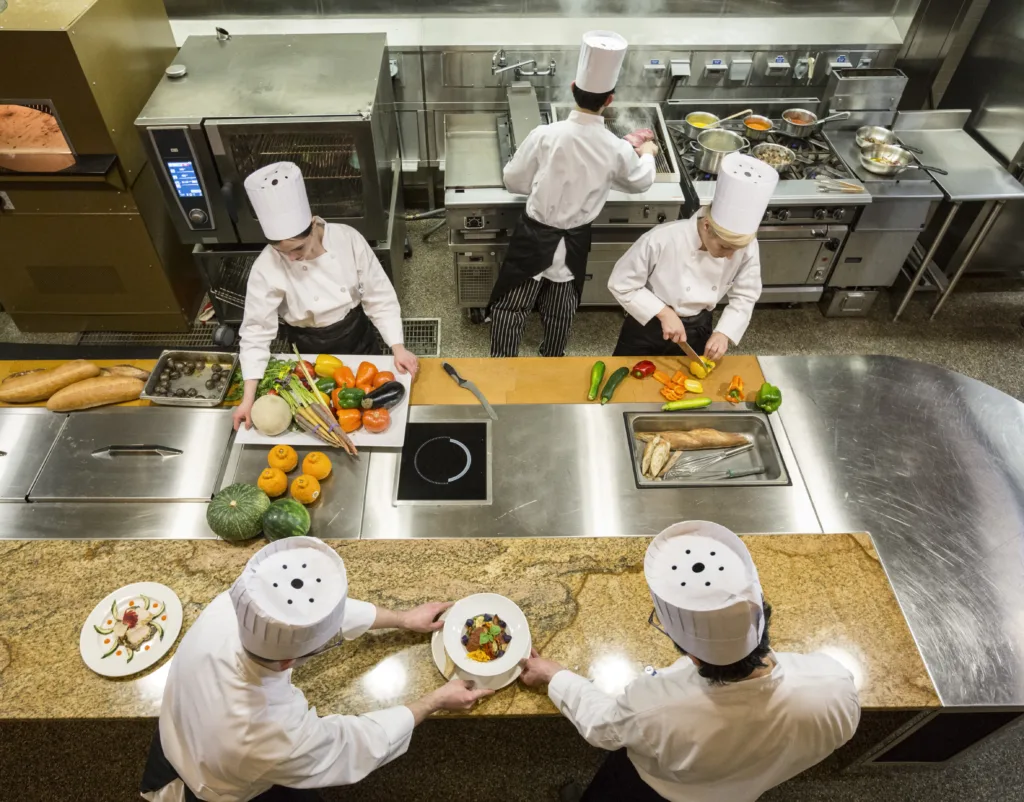
As operations scale, several hidden costs start affecting profitability. These are rarely tracked accurately but significantly impact margins.
Daily gravy preparation leads to higher ingredient wastage due to overproduction, spoilage, and inconsistent portioning. Labour costs increase because skilled chefs are required to manage complex prep work. Training new staff becomes expensive and time-consuming. Kitchen efficiency drops during peak hours because staff is busy managing prep instead of service.
Add to this the cost of inconsistent taste customer complaints, negative reviews, and reduced repeat ordersand the financial impact becomes even larger.
Daily gravy preparation leads to higher ingredient wastage due to overproduction, spoilage, and inconsistent portioning. Labour costs increase because skilled chefs are required to manage complex prep work. Training new staff becomes expensive and time-consuming. Kitchen efficiency drops during peak hours because staff is busy managing prep instead of service.
Add to this the cost of inconsistent taste customer complaints, negative reviews, and reduced repeat ordersand the financial impact becomes even larger.
What Are Outsourced Retort Gravies?
Outsourced retort gravies are gravies prepared in a controlled production environment, cooked completely, sealed, and sterilized for long shelf life. They arrive at the restaurant ready to use, requiring only heating and final assembly.
Instead of preparing gravies daily at the outlet, kitchens receive standardized gravies that are consistent in taste, texture, and yield. This shifts the complexity away from the restaurant kitchen and into a system designed for efficiency.
Instead of preparing gravies daily at the outlet, kitchens receive standardized gravies that are consistent in taste, texture, and yield. This shifts the complexity away from the restaurant kitchen and into a system designed for efficiency.
In-House vs Outsourced: Where the Real Difference Lies
The difference between the two models becomes clear when viewed holistically:
- In-house gravies have variable costs that change daily
- Retort gravies have fixed, predictable costs
- In-house preparation depends heavily on skilled chefs
- Retort gravies reduce chef dependency significantly
- In-house gravies increase wastage and rework
- Retort gravies improve yield and portion control
The shift is not just operational — it is financial.
Impact on Multi-Outlet and Growing Brands
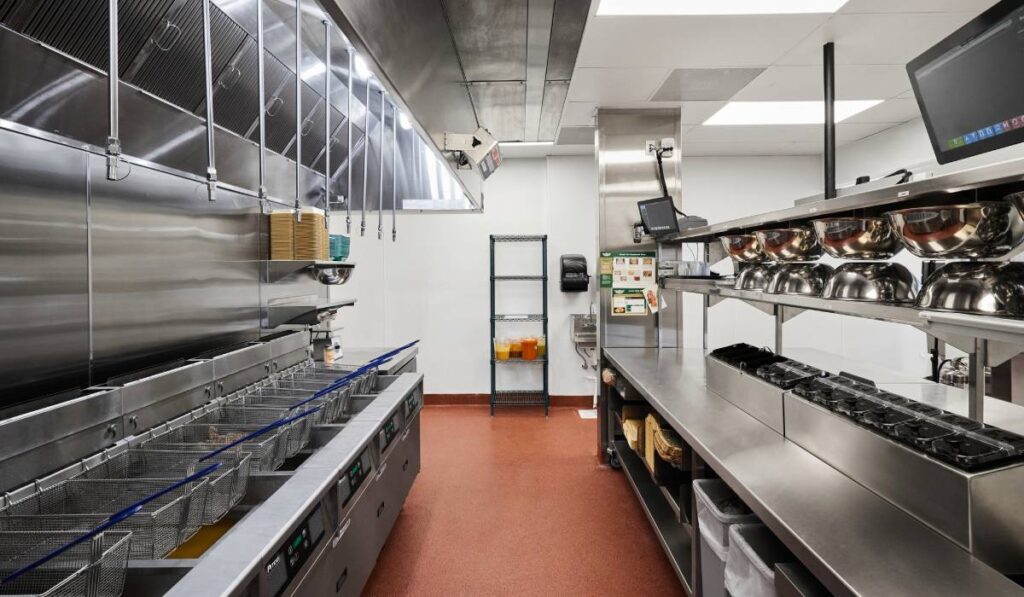
For brands operating multiple outlets, in-house gravy preparation multiplies complexity. Each outlet becomes a separate production unit, increasing risk and inconsistency.
Outsourced retort gravies allow brands to centralize control. Every outlet receives the same base. Every dish tastes the same. Management spends less time fixing kitchen problems and more time focusing on growth.
Why Retort Gravies Often Cost Less in the Long Run
Even if outsourced gravies appear slightly more expensive per kilogram, the overall economics usually favour retort solutions. When reduced labour, lower wastage, faster service, and better consistency are factored in, total costs often decrease.
More importantly, profits become predictable. Kitchens stop bleeding money through small daily inefficiencies that add up over time.
More importantly, profits become predictable. Kitchens stop bleeding money through small daily inefficiencies that add up over time.
How No Chef Kitchen Helps Control Gravy Costs
No Chef Kitchen works with food businesses to replace variable, unpredictable kitchen costs with stable, system-driven solutions.
By providing standardized retort gravies with long shelf life and consistent taste, No Chef Kitchen helps restaurants reduce wastage, lower manpower dependence, and gain better financial control as they scale.
By providing standardized retort gravies with long shelf life and consistent taste, No Chef Kitchen helps restaurants reduce wastage, lower manpower dependence, and gain better financial control as they scale.
Conclusion: Cost Is More Than Just Ingredients
The true cost of gravies is not what you see on a purchase bill. It includes time, labour, wastage, inconsistency, and lost opportunities.
For growing restaurants, outsourced retort gravies offer a financially smarter model — one that supports consistency, scalability, and profitability.
When kitchens move from intuition-driven cooking to system-driven operations, financial clarity follows.
For growing restaurants, outsourced retort gravies offer a financially smarter model — one that supports consistency, scalability, and profitability.
When kitchens move from intuition-driven cooking to system-driven operations, financial clarity follows.