
Reducing Food Wastage With Long Shelf-Life Gravies & Curries
December 24, 2025
155
Introduction: The Silent Profit Killer in Restaurant Kitchens
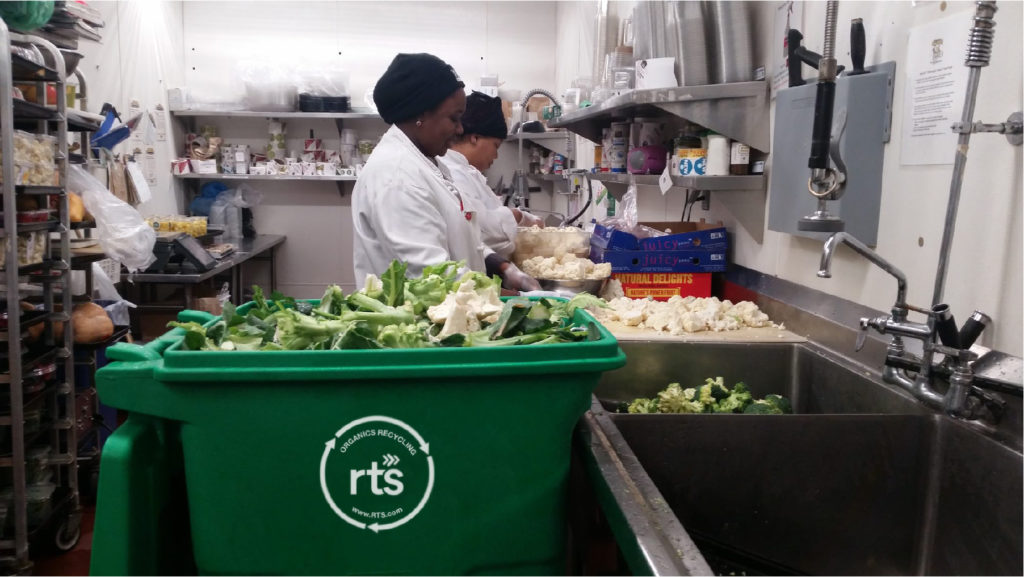
Food wastage is one of the biggest yet least visible problems in restaurant operations. Unlike rent or salaries, wastage does not appear clearly on monthly reports. It hides in spoiled gravies, excess prep, unused stock, and dishes that never get sold.
Most kitchens accept wastage as unavoidable. But when restaurants begin to scale or handle higher volumes, this “accepted loss” quietly eats into margins. Over time, it becomes one of the main reasons profits don’t grow even when sales do.
Long shelf-life gravies and curries address this exact problem by bringing control, predictability, and discipline into kitchen operations.
Most kitchens accept wastage as unavoidable. But when restaurants begin to scale or handle higher volumes, this “accepted loss” quietly eats into margins. Over time, it becomes one of the main reasons profits don’t grow even when sales do.
Long shelf-life gravies and curries address this exact problem by bringing control, predictability, and discipline into kitchen operations.
Why Food Wastage Is So Common in Traditional Kitchens
In most kitchens, gravies and curries are prepared daily based on estimated demand. Chefs cook extra to avoid running out during peak hours. When demand falls short, leftovers are either reused with quality compromise or discarded completely.
This cycle repeats every day. Add staff changes, inconsistent portioning, and fluctuating demand, and wastage becomes unavoidable.
As the number of outlets increases, this problem multiplies. What seems like a small daily loss at one outlet becomes a significant monthly loss across multiple kitchens.
This cycle repeats every day. Add staff changes, inconsistent portioning, and fluctuating demand, and wastage becomes unavoidable.
As the number of outlets increases, this problem multiplies. What seems like a small daily loss at one outlet becomes a significant monthly loss across multiple kitchens.
The Hidden Forms of Food Wastage
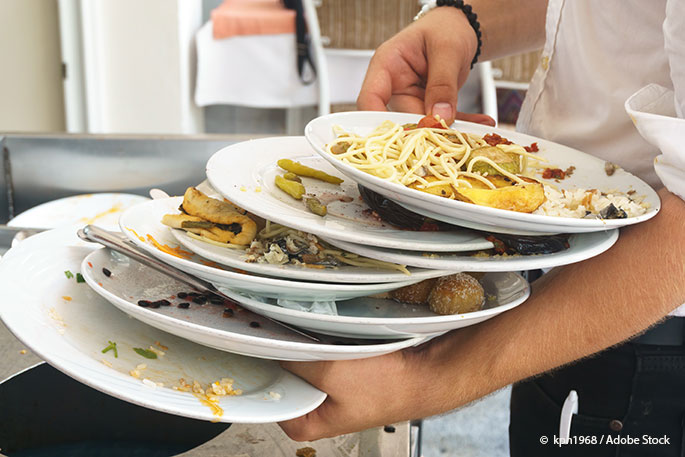
Food wastage is not limited to food thrown into the dustbin. It appears in many indirect ways that often go unnoticed.
- Overproduction of gravies to manage uncertainty
- Spoilage due to short shelf life
- Inconsistent portioning across staff
- Rework caused by taste imbalance
- Excess prep that doesn’t convert into sales
Together, these small losses add up to a major financial drain.
How Long Shelf-Life Gravies Reduce Wastage
The biggest shift happens when kitchens move from daily preparation to demand-based usage. Gravies are no longer cooked “just in case”. They are used only when orders come in.
This change alone removes a large portion of daily food waste. Kitchens stop discarding unsold gravies. Spoilage reduces drastically. Portion sizes become more consistent because every batch is standardized.
Over time, wastage drops not because staff is more careful, but because the system itself prevents waste.
This change alone removes a large portion of daily food waste. Kitchens stop discarding unsold gravies. Spoilage reduces drastically. Portion sizes become more consistent because every batch is standardized.
Over time, wastage drops not because staff is more careful, but because the system itself prevents waste.
Operational Benefits Beyond Waste Reduction
Reducing food wastage creates a ripple effect across operations. Kitchens become calmer during peak hours because staff is not rushing to manage prep and service simultaneously.
Inventory planning improves because gravies can be stocked safely without fear of spoilage. Storage becomes more organised. Kitchen workflows become cleaner and more efficient.
Most importantly, management gains visibility into real consumption patterns, allowing smarter purchasing and planning.
Inventory planning improves because gravies can be stocked safely without fear of spoilage. Storage becomes more organised. Kitchen workflows become cleaner and more efficient.
Most importantly, management gains visibility into real consumption patterns, allowing smarter purchasing and planning.
Why This Matters More for Growing and High-Volume Kitchens

For single outlets, wastage may still feel manageable. But for multi-outlet brands, cloud kitchens, caterers, and institutional kitchens, wastage grows exponentially.
High-volume operations need systems that protect margins automatically. Long shelf-life gravies do exactly that by removing uncertainty from daily production.
Common Mistakes That Keep Wastage High
Even when kitchens try to reduce waste, certain habits keep the problem alive.
- Continuing daily gravy preparation out of habit
- Overestimating peak demand “just to be safe”
- Allowing inconsistent portioning across staff
- Treating wastage as unavoidable instead of fixable
Without structural changes, wastage keeps returning.
How No Chef Kitchen Helps Kitchens Control Wastage
No Chef Kitchen supports food businesses by providing long shelf-life gravies and curries that are consistent, reliable, and easy to use.
By removing daily prep pressure and allowing kitchens to use gravies only when required, No Chef Kitchen helps brands significantly reduce spoilage, overproduction, and operational inefficiencies.
The focus is not only on food quality, but also on protecting margins through smarter kitchen systems.
By removing daily prep pressure and allowing kitchens to use gravies only when required, No Chef Kitchen helps brands significantly reduce spoilage, overproduction, and operational inefficiencies.
The focus is not only on food quality, but also on protecting margins through smarter kitchen systems.
Conclusion: Waste Reduction Is a System Decision
Reducing food wastage is not about stricter rules or tighter supervision. It is about changing how kitchens operate.
Long shelf-life gravies and curries give restaurants control over demand, inventory, and production. They remove guesswork, reduce losses, and create more stable, predictable operations.
For food businesses serious about profitability and scale, reducing wastage is not optional — and long shelf-life solutions make it achievable.
Long shelf-life gravies and curries give restaurants control over demand, inventory, and production. They remove guesswork, reduce losses, and create more stable, predictable operations.
For food businesses serious about profitability and scale, reducing wastage is not optional — and long shelf-life solutions make it achievable.