
Food Safety First: HACCP, FDA & FSSC 22000 Explained for Buyers
December 24, 2025
1447
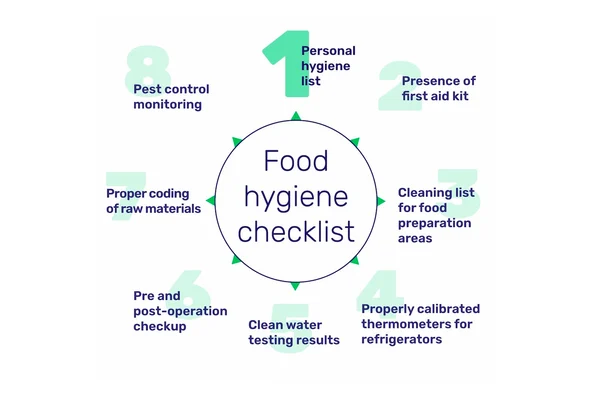
Introduction: Why Food Safety Is a Business Decision, Not a Technical Detail
For food service buyers, food safety is no longer just a compliance requirement — it is a business-critical decision. Whether you operate restaurants, cloud kitchens, hotels, catering services, or institutional kitchens, one food safety failure can damage reputation, invite penalties, and break customer trust overnight.
As food operations scale, buyers increasingly rely on certifications like HACCP, FDA, and FSSC 22000 to evaluate suppliers. These standards are not paperwork they are systems designed to reduce risk and ensure reliability at scale.
This blog explains these certifications in simple terms and why they matter for buyers making sourcing decisions.
As food operations scale, buyers increasingly rely on certifications like HACCP, FDA, and FSSC 22000 to evaluate suppliers. These standards are not paperwork they are systems designed to reduce risk and ensure reliability at scale.
This blog explains these certifications in simple terms and why they matter for buyers making sourcing decisions.
Why Food Safety Becomes More Complex at Scale
In small kitchens, food safety is often managed through supervision and experience. But as operations grow, risks multiply. More staff, higher volumes, longer storage, and wider distribution increase the chances of contamination, spoilage, and inconsistency.
Buyers cannot personally inspect every process. Instead, they rely on certified systems that prove food is produced safely, consistently, and responsibly — every single time.
This is where globally recognised food safety frameworks become essential.
Buyers cannot personally inspect every process. Instead, they rely on certified systems that prove food is produced safely, consistently, and responsibly — every single time.
This is where globally recognised food safety frameworks become essential.
Understanding Food Safety Certifications in Simple Terms
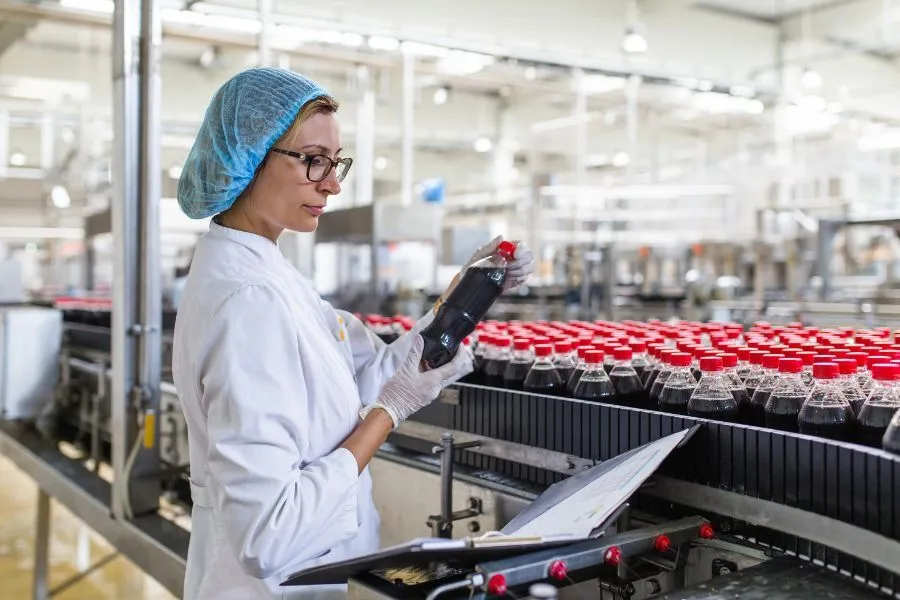
Food safety certifications are structured systems that ensure food is produced, handled, and supplied under controlled conditions. They define how risks are identified, monitored, and prevented — rather than corrected after something goes wrong.
HACCP, FDA compliance, and FSSC 22000 are among the most widely trusted standards used by buyers worldwide to assess supplier reliability.
HACCP, FDA compliance, and FSSC 22000 are among the most widely trusted standards used by buyers worldwide to assess supplier reliability.
What HACCP Means for Buyers
HACCP stands for Hazard Analysis and Critical Control Points. In simple terms, it is a system that identifies where food safety risks can occur and puts controls in place to prevent them.
For buyers, HACCP means the supplier has mapped every step of production and actively manages risks such as contamination, improper cooking, or unsafe storage. It is a proactive system, not a reactive one.
A HACCP-certified supplier is one that focuses on prevention rather than correction.
For buyers, HACCP means the supplier has mapped every step of production and actively manages risks such as contamination, improper cooking, or unsafe storage. It is a proactive system, not a reactive one.
A HACCP-certified supplier is one that focuses on prevention rather than correction.
What FDA Compliance Indicates
FDA compliance is essential for any food product entering or supplying the U.S. market. It ensures that food is produced under strict hygiene, documentation, and traceability requirements.
For buyers, FDA compliance signals that the supplier meets high international safety standards. Even for non-U.S. buyers, FDA compliance is often seen as a benchmark of global quality and discipline.
It also indicates readiness for export and large-scale institutional supply.
For buyers, FDA compliance signals that the supplier meets high international safety standards. Even for non-U.S. buyers, FDA compliance is often seen as a benchmark of global quality and discipline.
It also indicates readiness for export and large-scale institutional supply.
What FSSC 22000 Really Represents
FSSC 22000 is a globally recognised food safety certification that combines food safety management systems with operational controls. It is widely accepted by international buyers, retailers, and institutional customers.
For buyers, FSSC 22000 means the supplier operates under a structured, audited system that covers food safety, quality control, and continuous improvement.
It is often a requirement for long-term, high-volume supply contracts.
For buyers, FSSC 22000 means the supplier operates under a structured, audited system that covers food safety, quality control, and continuous improvement.
It is often a requirement for long-term, high-volume supply contracts.
Why These Certifications Matter to Buyers
For buyers, certifications simplify decision-making and reduce risk. Instead of relying on verbal assurances, buyers can trust audited systems.
These certifications help buyers ensure:
- Food is produced under controlled and hygienic conditions
- Risks are identified and managed proactively
- Quality remains consistent across batches
- Suppliers are audit-ready and transparent
- Products are suitable for large-scale and long-term supply
This confidence is critical when food is served to hundreds or thousands of people daily.
How Certifications Protect Buyer Interests

Certified suppliers reduce the buyer’s operational burden. There is less need for constant inspection, firefighting, or corrective action.
When food safety systems are strong, buyers can focus on growth, service, and customer experience rather than worrying about compliance issues or food-related incidents.
Certifications act as a safeguard for reputation and continuity.
When food safety systems are strong, buyers can focus on growth, service, and customer experience rather than worrying about compliance issues or food-related incidents.
Certifications act as a safeguard for reputation and continuity.
How No Chef Kitchen Meets Global Food Safety Standards
No Chef Kitchen operates with a strong focus on food safety and compliance. By following structured systems aligned with HACCP, FDA, and FSSC 22000 standards, it ensures that gravies, curries, and bases are safe, consistent, and reliable for food service use.
This approach allows buyers to source with confidence, knowing that food safety is built into every stage of production.
This approach allows buyers to source with confidence, knowing that food safety is built into every stage of production.
Food Safety as a Long-Term Partnership
For serious buyers, food safety is not a one-time checklist. It is a long-term expectation from suppliers.
Working with certified partners creates stability. It reduces risk, supports audits, and ensures continuity as operations grow. Over time, this partnership approach strengthens both sides.
Working with certified partners creates stability. It reduces risk, supports audits, and ensures continuity as operations grow. Over time, this partnership approach strengthens both sides.
Conclusion: Safe Food Is the Foundation of Scalable Business
Food safety is not an operational detail, it is the foundation of trust in food service.
Certifications like HACCP, FDA compliance, and FSSC 22000 give buyers confidence that food is produced responsibly, consistently, and at scale. They reduce risk, protect reputation, and support long-term growth.
For buyers making sourcing decisions, choosing certified suppliers is not just safer — it is smarter.
Certifications like HACCP, FDA compliance, and FSSC 22000 give buyers confidence that food is produced responsibly, consistently, and at scale. They reduce risk, protect reputation, and support long-term growth.
For buyers making sourcing decisions, choosing certified suppliers is not just safer — it is smarter.