
The Rise of Retort Technology in Global Food Service (India, GCC, USA Trends)
December 24, 2025
1453
Introduction: A Quiet Shift Reshaping Food Service Globally
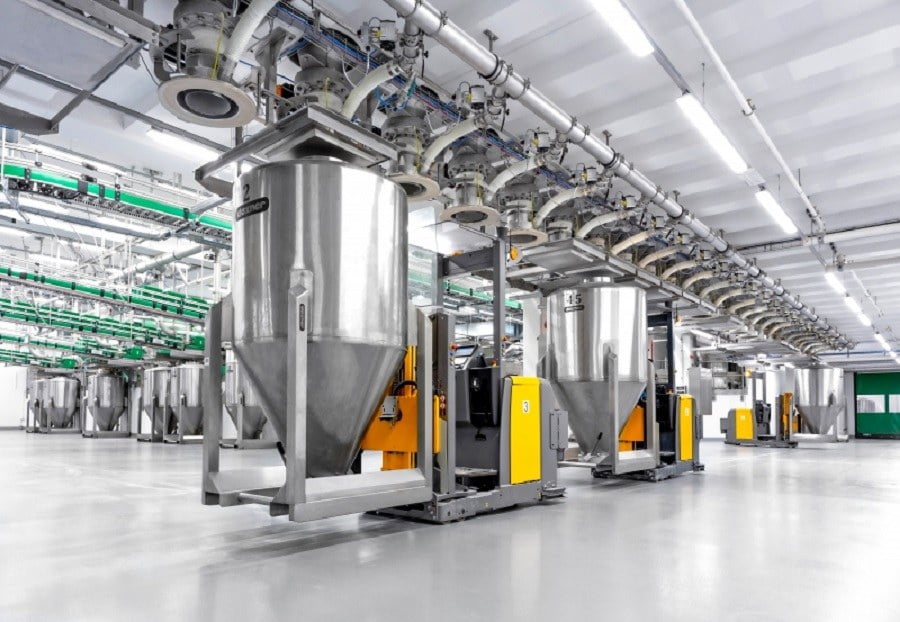
Across the world, food service operations are changing not on the menu, but behind the scenes. Restaurants, institutional kitchens, hotels, and large catering operations are under pressure to deliver consistent food, manage labour shortages, meet stricter safety standards, and scale faster than ever before.
To meet these demands, global food businesses are adopting retort technology as a core operational system. What started as a solution for packaged foods has now become a key enabler for modern food service across regions like India, the GCC, and the USA.
This shift is not driven by convenience alone. It is driven by the need for control, consistency, and compliance at scale.
To meet these demands, global food businesses are adopting retort technology as a core operational system. What started as a solution for packaged foods has now become a key enabler for modern food service across regions like India, the GCC, and the USA.
This shift is not driven by convenience alone. It is driven by the need for control, consistency, and compliance at scale.
What Retort Technology Means in Simple Terms
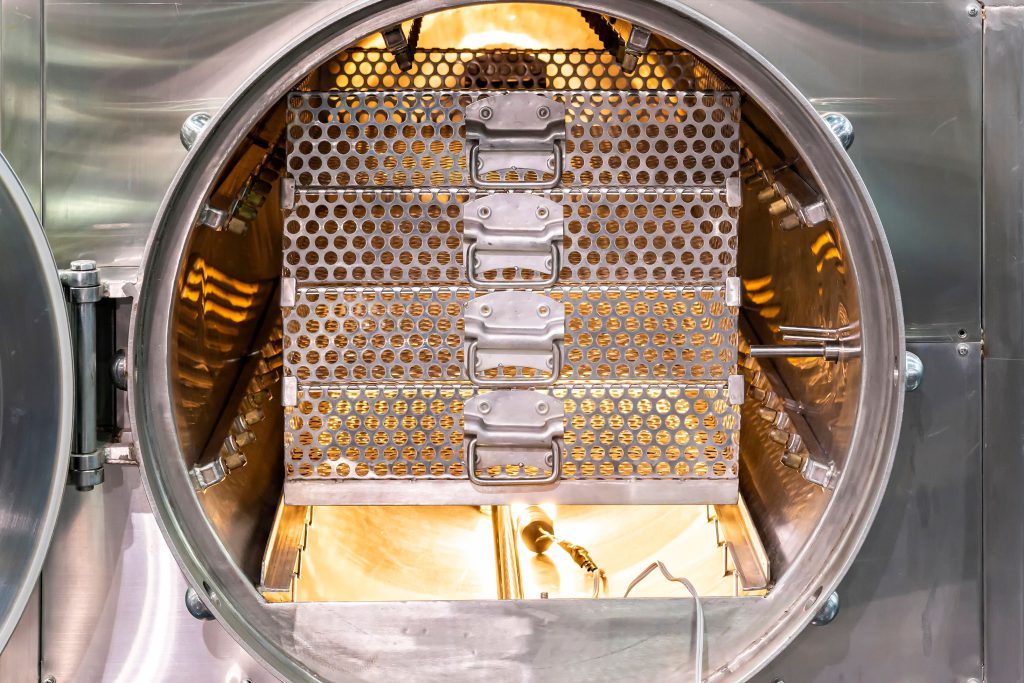
Retort technology is a method of cooking and preserving food using controlled heat and pressure inside sealed packaging. The food is fully cooked, sterilized, and then sealed in pouches or containers that keep it safe and shelf-stable for long periods without the need for preservatives or refrigeration.
For food service operators, this means gravies, curries, sauces, and meals can be prepared centrally and used anywhere with the same quality every time. Cooking moves from individual kitchens into controlled production environments.
Why Global Food Service Is Moving Toward Retort
As food service grows more complex, traditional cooking models struggle to keep up. Chef dependency, inconsistent execution, rising costs, and food safety risks become harder to manage across multiple locations.
Retort technology solves these issues by standardizing food preparation and reducing variability. It allows brands to focus on service, branding, and growth while ensuring that the food itself remains consistent and safe.
This shift is happening across regions, each with its own drivers.
Retort technology solves these issues by standardizing food preparation and reducing variability. It allows brands to focus on service, branding, and growth while ensuring that the food itself remains consistent and safe.
This shift is happening across regions, each with its own drivers.
Retort Adoption in India: From Experiment to Scale
In India, retort technology is moving rapidly from niche use to mainstream adoption. The growth of cloud kitchens, QSRs, and multi-city restaurant brands has accelerated this change.
Indian food is complex, gravy-heavy, and labour-intensive. Retort-ready gravies and bases allow brands to scale traditional flavours without relying heavily on skilled chefs in every location. Institutional kitchens, exporters, and food service aggregators are also driving demand due to hygiene and shelf-life advantages.
What was once viewed as “packaged food” is now recognised as a system for consistency and scale.
Indian food is complex, gravy-heavy, and labour-intensive. Retort-ready gravies and bases allow brands to scale traditional flavours without relying heavily on skilled chefs in every location. Institutional kitchens, exporters, and food service aggregators are also driving demand due to hygiene and shelf-life advantages.
What was once viewed as “packaged food” is now recognised as a system for consistency and scale.
Retort Growth in the GCC: Driven by Imports and Compliance
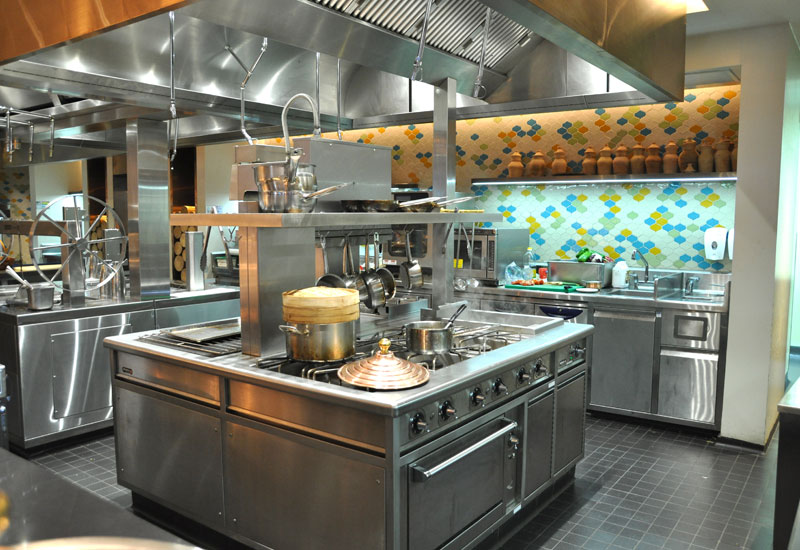
In the GCC region, food service relies heavily on imported food products and multinational restaurant brands. Consistency across countries, long shelf life, and strict food safety compliance are critical.
Retort technology fits perfectly into this ecosystem. It allows Indian, Asian, and global cuisines to be produced centrally and distributed safely across borders. Hotels, airlines, labour camps, and institutional caterers use retort foods to manage large volumes while meeting regulatory standards.
For the GCC, retort is not optional it is a necessity for reliable supply chains.
Retort technology fits perfectly into this ecosystem. It allows Indian, Asian, and global cuisines to be produced centrally and distributed safely across borders. Hotels, airlines, labour camps, and institutional caterers use retort foods to manage large volumes while meeting regulatory standards.
For the GCC, retort is not optional it is a necessity for reliable supply chains.
Key Reasons Retort Technology Is Winning Globally
Despite regional differences, the reasons for adoption remain consistent:
- It ensures uniform taste across outlets and regions
- It reduces dependence on skilled kitchen labour
- It improves food safety and compliance
- It enables long-distance and cross-border supply
- It supports predictable, scalable operations
These advantages make retort technology a long-term solution, not a temporary trend.
Why Global Brands Prefer Retort-Based Systems
Global food brands need systems that work everywhere. Retort technology offers a single, standardized solution that can be deployed across cities, countries, and continents.
It allows central teams to control recipes and quality while local teams focus on service and customer experience. This balance is essential for international expansion.
It allows central teams to control recipes and quality while local teams focus on service and customer experience. This balance is essential for international expansion.
How No Chef Kitchen Aligns With Global Retort Trends
No Chef Kitchen builds retort-ready gravies and food solutions that meet global food service requirements. With export-ready infrastructure, strong R&D, and standardized production, it supports brands operating across India and international markets.
The goal is to help food businesses adopt the same system-driven approach that global leaders already use.
The goal is to help food businesses adopt the same system-driven approach that global leaders already use.
Conclusion: Retort Is Becoming the Backbone of Modern Food Service
The rise of retort technology is not about replacing kitchens it is about strengthening them. As food service operations grow larger and more complex, systems matter more than individual effort.
Across India, the GCC, and the USA, retort technology is proving to be the most reliable way to deliver safe, consistent, scalable food at volume.
For modern food businesses, retort is no longer the future. It is already the foundation.
Across India, the GCC, and the USA, retort technology is proving to be the most reliable way to deliver safe, consistent, scalable food at volume.
For modern food businesses, retort is no longer the future. It is already the foundation.