
Why Institutional Kitchens (Canteens, Hostels, Corporates) Are Switching to Retort Foods
December 24, 2025
847
Introduction: Feeding at Scale Comes With a Different Set of Challenges
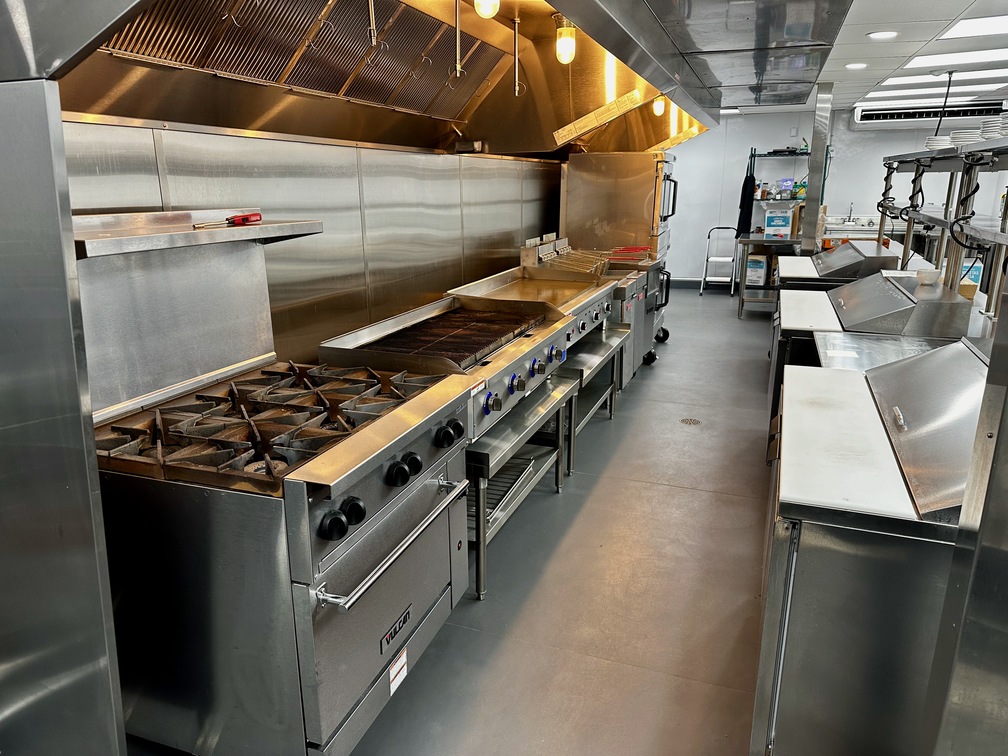
Institutional kitchens operate very differently from restaurants. Whether it is a corporate cafeteria, university hostel, hospital kitchen, or industrial canteen, the focus is not on experimentation it is on volume, reliability, hygiene, and cost control.
Every day, thousands of meals must be prepared on time, within budget, and with consistent taste. Any delay, quality issue, or food safety concern directly affects large groups of people. As volumes increase, traditional cooking methods begin to struggle.
This is why institutional kitchens across sectors are increasingly switching to retort foods not as a convenience, but as a necessity.
Every day, thousands of meals must be prepared on time, within budget, and with consistent taste. Any delay, quality issue, or food safety concern directly affects large groups of people. As volumes increase, traditional cooking methods begin to struggle.
This is why institutional kitchens across sectors are increasingly switching to retort foods not as a convenience, but as a necessity.
Why Traditional Cooking Models Struggle in Institutional Kitchens
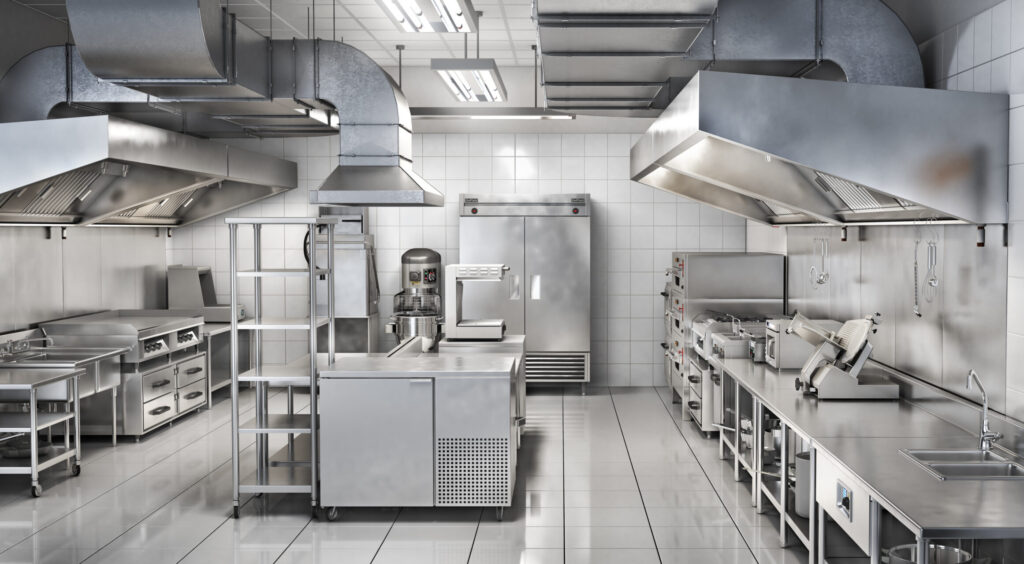
Most institutional kitchens still rely on daily bulk cooking. Gravies and curries are prepared early in the day, stored in large vessels, and reheated during service. This approach creates multiple problems.
Taste varies from batch to batch. Food safety risks increase due to prolonged holding times. Labour dependency becomes high, and managing staff at scale becomes difficult. Any error affects hundreds or thousands of meals at once.
As institutions grow in size and responsibility, these risks become unacceptable.
Taste varies from batch to batch. Food safety risks increase due to prolonged holding times. Labour dependency becomes high, and managing staff at scale becomes difficult. Any error affects hundreds or thousands of meals at once.
As institutions grow in size and responsibility, these risks become unacceptable.
What Are Retort Foods in Simple Terms
Retort foods are fully cooked meals, gravies, and curries that are sealed and processed under controlled conditions to ensure long shelf life and food safety without preservatives.
For institutional kitchens, this means curries and gravies arrive ready to use. They only need heating and portioning. The taste, texture, and safety remain consistent every time.
This removes the need for large-scale daily cooking inside the institution.
Why Institutions Are Moving Toward Retort Foods
Institutional buyers are not looking for shortcuts. They are looking for predictability. Retort foods provide that by reducing variables inside the kitchen.
They eliminate daily cooking uncertainty. They reduce dependence on highly skilled staff. They improve hygiene by limiting open handling of food. Most importantly, they allow institutions to meet strict food safety and compliance requirements consistently.
They eliminate daily cooking uncertainty. They reduce dependence on highly skilled staff. They improve hygiene by limiting open handling of food. Most importantly, they allow institutions to meet strict food safety and compliance requirements consistently.
Key Reasons Driving the Shift
Institutions are switching to retort foods because they solve multiple operational problems at once:
- They ensure consistent taste across all meals and days
- They significantly improve food safety and hygiene
- They reduce labour requirements and training burden
- They help control costs and reduce wastage
- They allow kitchens to operate smoothly at high volumes
These benefits make retort foods a practical, long-term solution rather than a temporary fix.
Food Safety and Compliance Become Easier
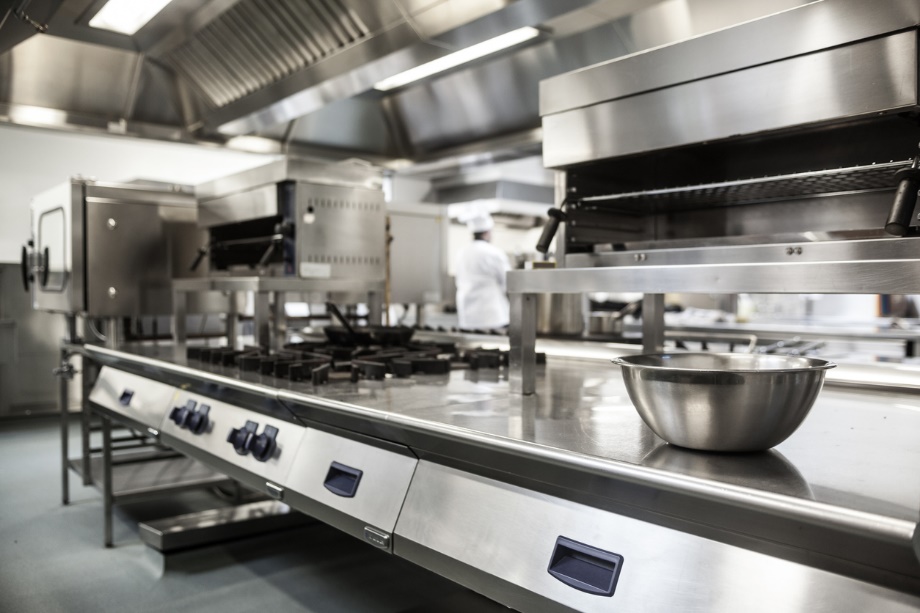
Institutional kitchens are under constant scrutiny. Audits, inspections, and compliance requirements are strict. Retort foods simplify compliance because they are processed under certified conditions and sealed until use.
This reduces the risk of contamination, spoilage, and temperature abuse. Institutions gain confidence that every meal served meets safety standards.
This reduces the risk of contamination, spoilage, and temperature abuse. Institutions gain confidence that every meal served meets safety standards.
Where Retort Foods Work Best in Institutions
Retort foods are especially effective in environments such as:
- Corporate and industrial canteens
- University and hostel mess kitchens
- Hospitals and healthcare facilities
- Government and defence kitchens
- Large-scale catering operations
In these setups, reliability matters more than novelty — and retort foods deliver exactly that.
How No Chef Kitchen Supports Institutional Kitchens
No Chef Kitchen works with institutional buyers to supply retort-ready gravies and curries that meet high-volume, high-compliance requirements.
By offering consistent taste, long shelf life, and predictable supply, No Chef Kitchen helps institutions simplify operations while maintaining food quality and safety at scale.
By offering consistent taste, long shelf life, and predictable supply, No Chef Kitchen helps institutions simplify operations while maintaining food quality and safety at scale.
Conclusion: Institutions Need Systems, Not Daily Guesswork
Institutional kitchens cannot afford inconsistency, wastage, or safety risks. As meal volumes increase, traditional cooking models become harder to manage.
Retort foods provide institutions with a system-driven approach to food service one that delivers consistency, hygiene, and cost control every single day.
For canteens, hostels, and corporate kitchens, switching to retort foods is no longer a trend. It is a practical step toward stable, scalable, and responsible food operations.
Retort foods provide institutions with a system-driven approach to food service one that delivers consistency, hygiene, and cost control every single day.
For canteens, hostels, and corporate kitchens, switching to retort foods is no longer a trend. It is a practical step toward stable, scalable, and responsible food operations.