
Kitchen Scaling 101: How To Expand From 1 Outlet to 20 Using Standardized Bases
December 24, 2025
860
Introduction: When One Good Kitchen Is Not Enough
Most restaurant brands begin with a single kitchen that performs well. The food tastes great, customers return, and operations feel manageable. At this stage, founders and chefs are closely involved. Recipes are adjusted instinctively, quality is checked personally, and decisions are made on the spot.
However, when the same brand opens a second or third outlet, cracks start to appear. Food tastes slightly different. Staff struggles to match the original kitchen. Training takes longer than expected. Growth, instead of feeling exciting, becomes stressful.
This happens because what works for one kitchen does not automatically work for many. Scaling requires structure and systems, not just skill. This is where standardized bases become essential.
However, when the same brand opens a second or third outlet, cracks start to appear. Food tastes slightly different. Staff struggles to match the original kitchen. Training takes longer than expected. Growth, instead of feeling exciting, becomes stressful.
This happens because what works for one kitchen does not automatically work for many. Scaling requires structure and systems, not just skill. This is where standardized bases become essential.
Why Restaurant Scaling Becomes Complicated
As the number of outlets increases, direct control decreases. Founders can no longer be present in every kitchen. Chefs interpret recipes in their own way. Ingredients differ slightly across locations. Even small changes in cooking time or spice balance affect the final dish.
Over time, customers begin to notice that the same dish tastes different at different outlets. Once consistency breaks, trust slowly fades. Many brands fail not because the food is bad, but because the experience is no longer reliable.
Over time, customers begin to notice that the same dish tastes different at different outlets. Once consistency breaks, trust slowly fades. Many brands fail not because the food is bad, but because the experience is no longer reliable.
Understanding Standardized Bases in Simple Terms
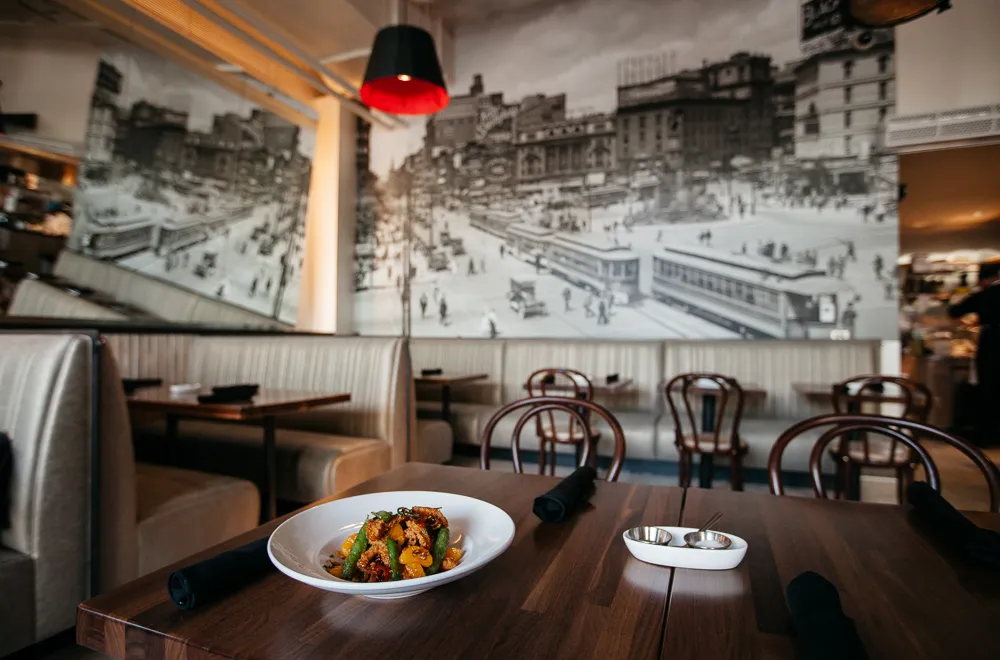
Standardized bases are pre-prepared gravies and cooking foundations developed once and used repeatedly in the same way across all outlets.
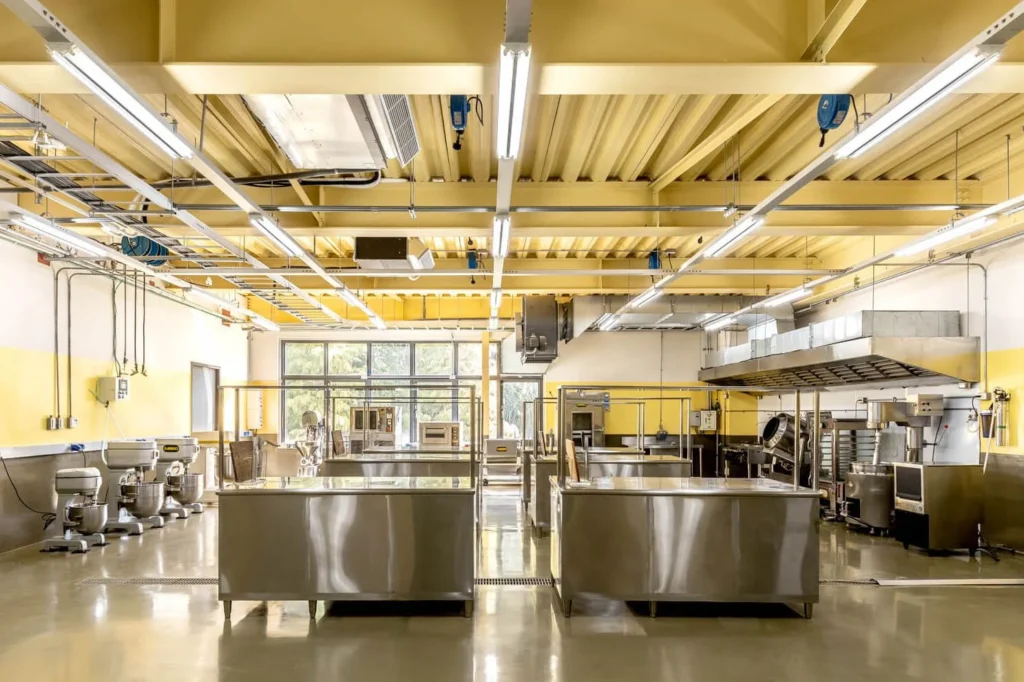
Instead of every kitchen preparing gravies from scratch every day, the base is prepared centrally under controlled conditions. The recipe is fixed. The taste is locked. Every outlet receives the same base and follows the same finishing process.
This approach removes daily guesswork from kitchens and replaces it with repeatable outcomes.
Instead of every kitchen preparing gravies from scratch every day, the base is prepared centrally under controlled conditions. The recipe is fixed. The taste is locked. Every outlet receives the same base and follows the same finishing process.
This approach removes daily guesswork from kitchens and replaces it with repeatable outcomes.
How Standardized Bases Change Kitchen Operations
When standardized bases are introduced, kitchens become simpler and more organised. Long cooking processes are eliminated. Grinding, frying, and slow reductions no longer happen daily. Staff focuses on assembly and finishing instead of complex preparation.
This shift leads to faster service, cleaner kitchens, and far fewer errors. Most importantly, food quality becomes predictable. Whether it is the first outlet or the twentieth, customers receive the same taste and texture.
This shift leads to faster service, cleaner kitchens, and far fewer errors. Most importantly, food quality becomes predictable. Whether it is the first outlet or the twentieth, customers receive the same taste and texture.
Key Advantages of Using Standardized Bases
Standardized bases create a strong foundation for growth by delivering a few critical advantages:
- They ensure the same taste and quality across all outlets
- They reduce dependence on highly skilled chefs
- They significantly speed up kitchen operations
- They make staff training faster and easier
- They improve cost control and reduce wastage
These benefits together allow brands to grow without losing operational control
Why This Model Works for Modern Food Brands
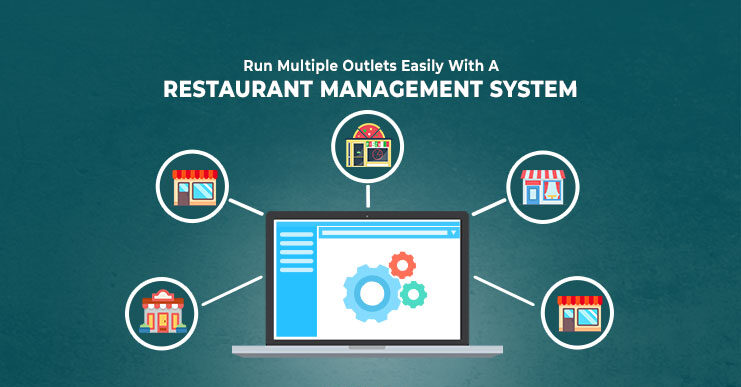
Today’s food businesses operate in a fast-paced environment. Customers expect the same taste every time, whether they order from a different location or on a different day. Delivery platforms amplify both positive and negative experiences.
Standardized bases help brands meet these expectations consistently, making them especially suitable for cloud kitchens, QSRs, and multi-city restaurant chains.
Standardized bases help brands meet these expectations consistently, making them especially suitable for cloud kitchens, QSRs, and multi-city restaurant chains.
Common Scaling Mistakes to Avoid
Standardized bases create a strong foundation for growth by delivering a few critical advantages:
- Trying to standardize the entire menu instead of core dishes
- Allowing staff to modify standardized recipes freely
- Expanding outlets faster than systems can support
- Treating standardization only as a cost-saving measure
Standardization should protect brand identity, not dilute it.
How No Chef Kitchen Supports Growing Brands
No Chef Kitchen works closely with food businesses that want to scale without operational chaos. By providing standardized gravies and bases with consistent taste and long shelf life, it helps brands maintain control as they grow.
The focus is not just on supplying food, but on enabling repeatable, system-driven kitchen operations.
The focus is not just on supplying food, but on enabling repeatable, system-driven kitchen operations.
Conclusion: Growth Needs Systems, Not Shortcuts
Scaling from one outlet to twenty is not about cooking more food. It is about delivering the same food experience again and again.
Standardized bases provide the structure that growing brands need. They protect taste, simplify kitchens, reduce dependency on skilled chefs, and make expansion predictable.
For restaurants serious about long-term growth, standardization is not optional — it is the foundation.
Standardized bases provide the structure that growing brands need. They protect taste, simplify kitchens, reduce dependency on skilled chefs, and make expansion predictable.
For restaurants serious about long-term growth, standardization is not optional — it is the foundation.