How Restaurants Can Cut Kitchen Dependence on Skilled Chefs Using Retort Solutions
Introduction: The Scalability Problem Most Kitchens Ignore
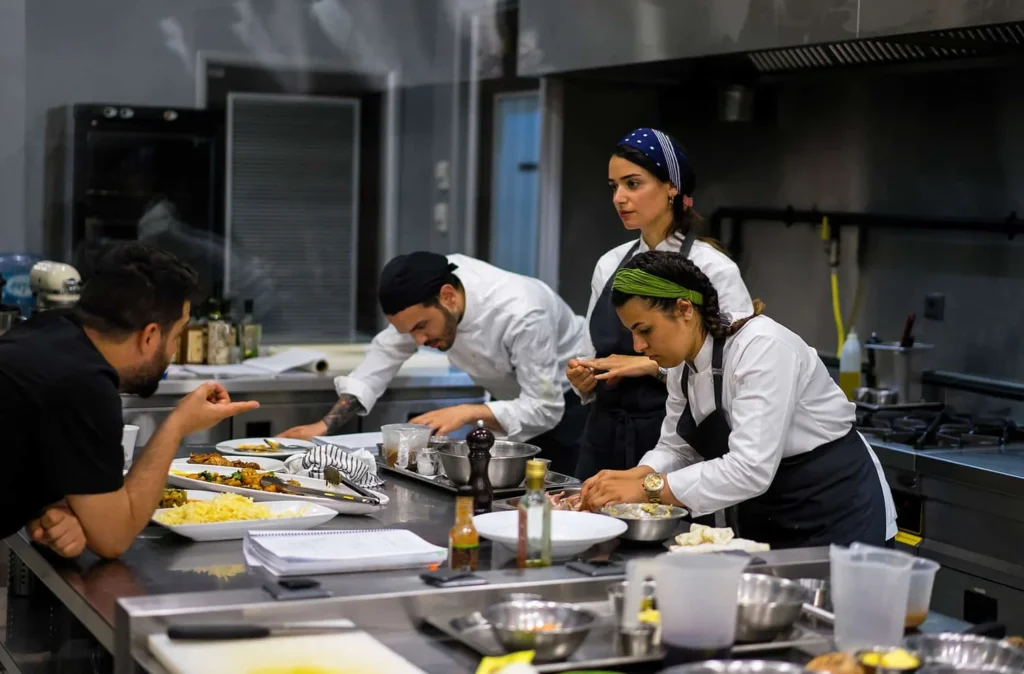
The Real Cost of Chef Dependency in Commercial Kitchens
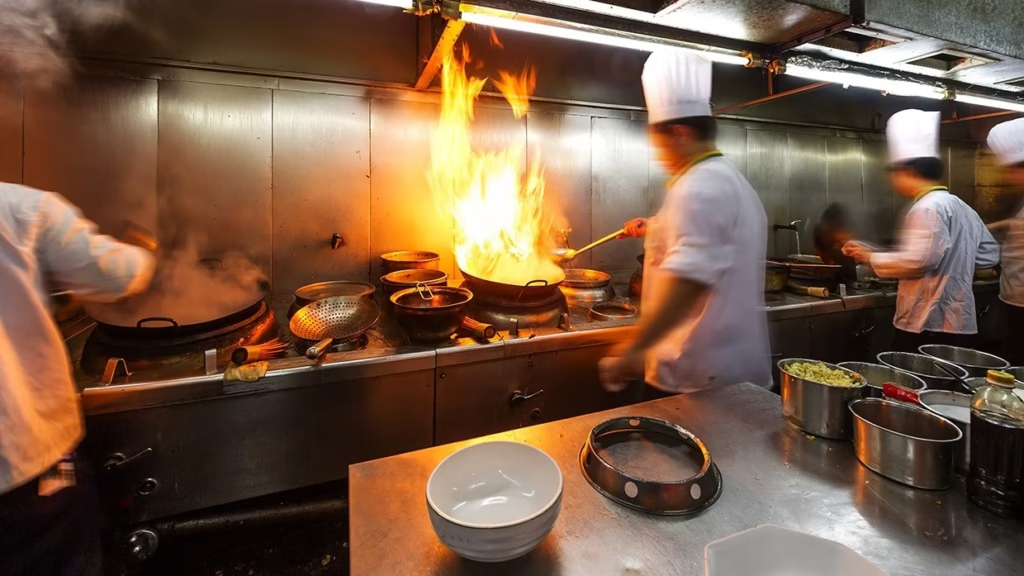
Most kitchens underestimate how deeply chef dependency affects profitability and scalability. The cost is not just salaries it’s operational risk.
Key challenges include:
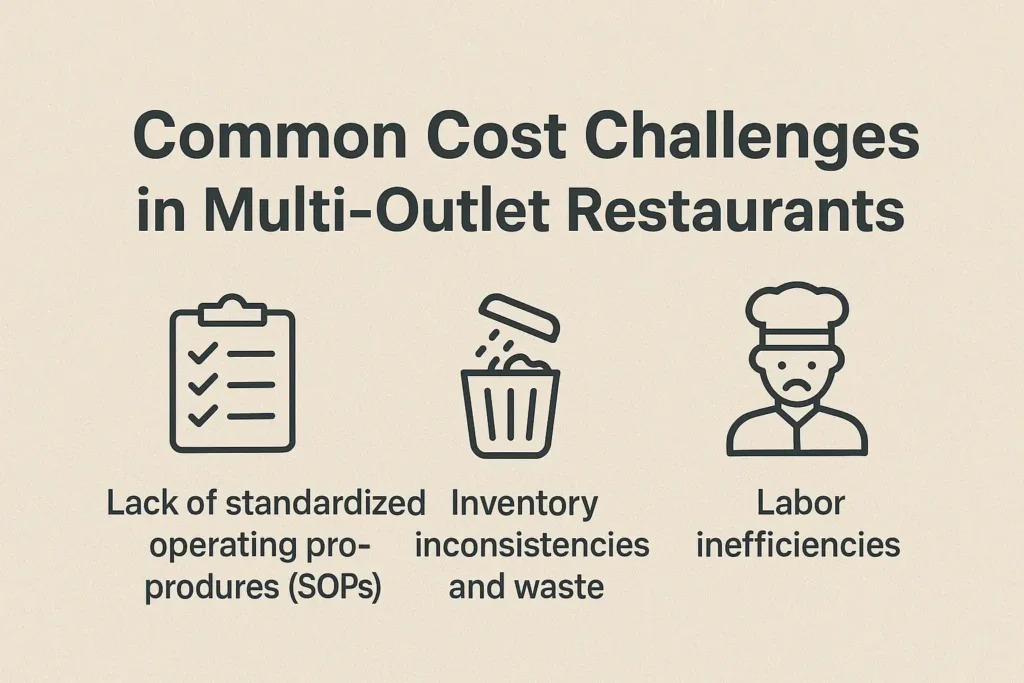
- Taste variation across shifts and outlets
- High attrition of senior kitchen staff
- Long training cycles for new chefs
- Operational slowdowns during peak hours
- Difficulty maintaining brand consistency
When a chef leaves, the recipe leaves with them. Over time, this erodes brand identity and customer trust especially for multi-outlet brands.
Why Traditional Kitchen Models Fail at Scale
In single-outlet restaurants, chef-led cooking can still work. But once brands scale beyond one kitchen, cracks begin to appear.
Each outlet starts interpreting recipes differently. Ingredient quality varies. Cooking times change. Even plating differs. Customers begin noticing that the same dish tastes different across locations a silent killer of brand loyalty.
Scaling kitchens without standardization is like franchising without systems.
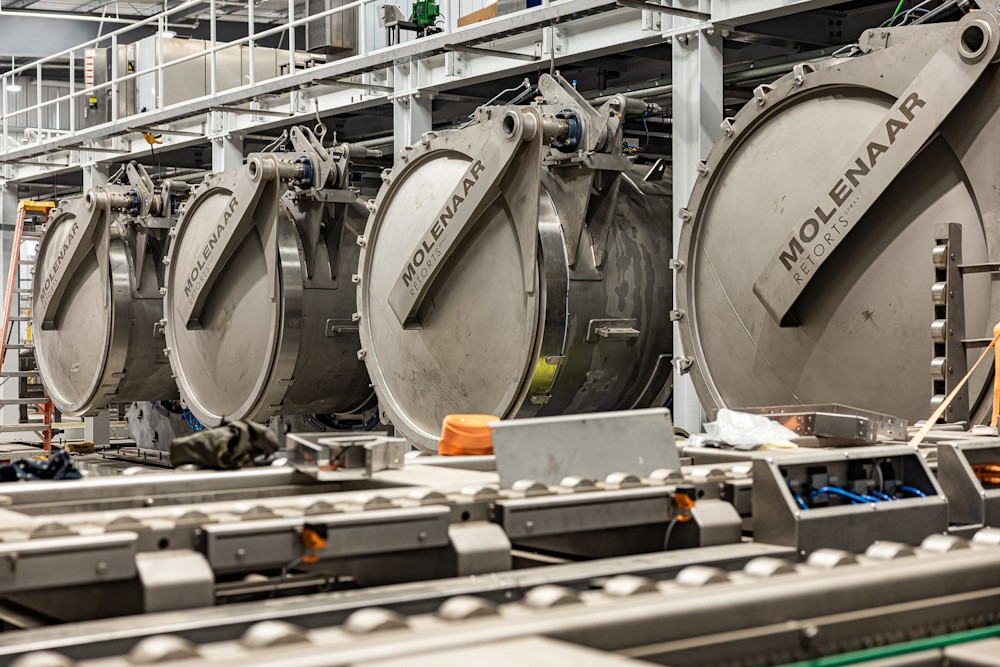
What Are Retort Solutions and Why Do They Matter?
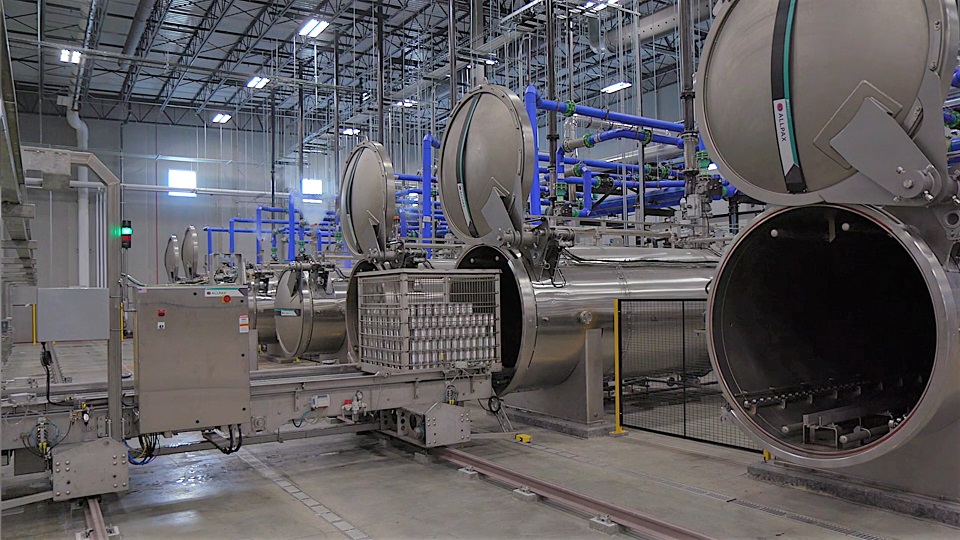
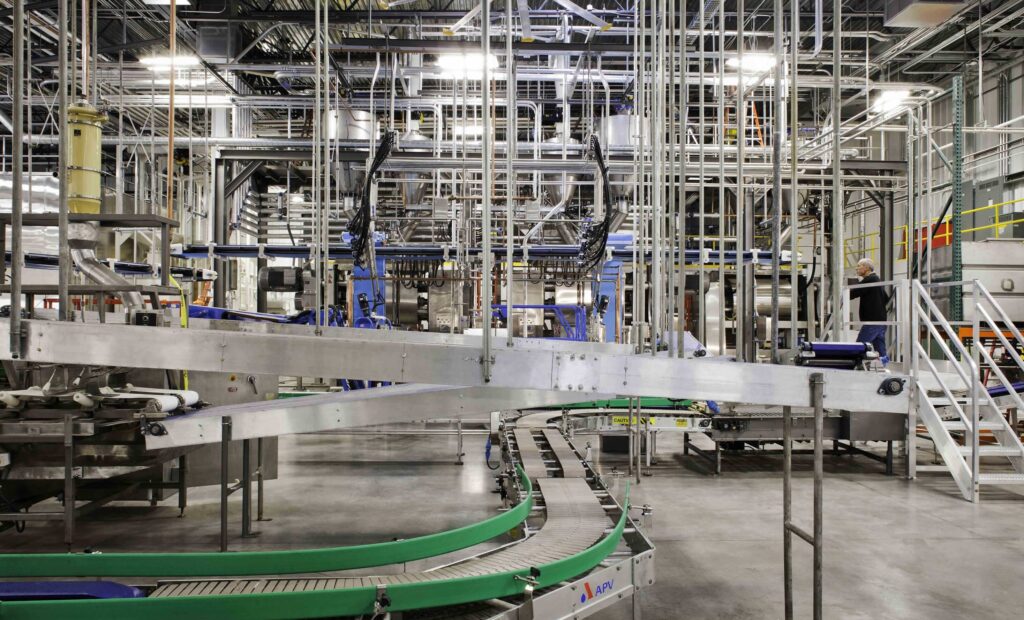
Instead of cooking gravies daily at each outlet, restaurants receive ready-to-use standardized bases that only require heating and final assembly.
This shifts complexity away from the outlet and into a centralized, controlled production system.
Operational Benefits of Using Biryani Bases

Centralized Recipe Control
Complex gravies like makhani, korma, biryani masala, and dal bases are perfected once and replicated endlessly. The recipe no longer depends on individual chefs.

Consistency Becomes Automatic
Every pouch tastes the same. Whether it’s the first batch or the thousandth, the output remains identical.

Faster Kitchen Execution
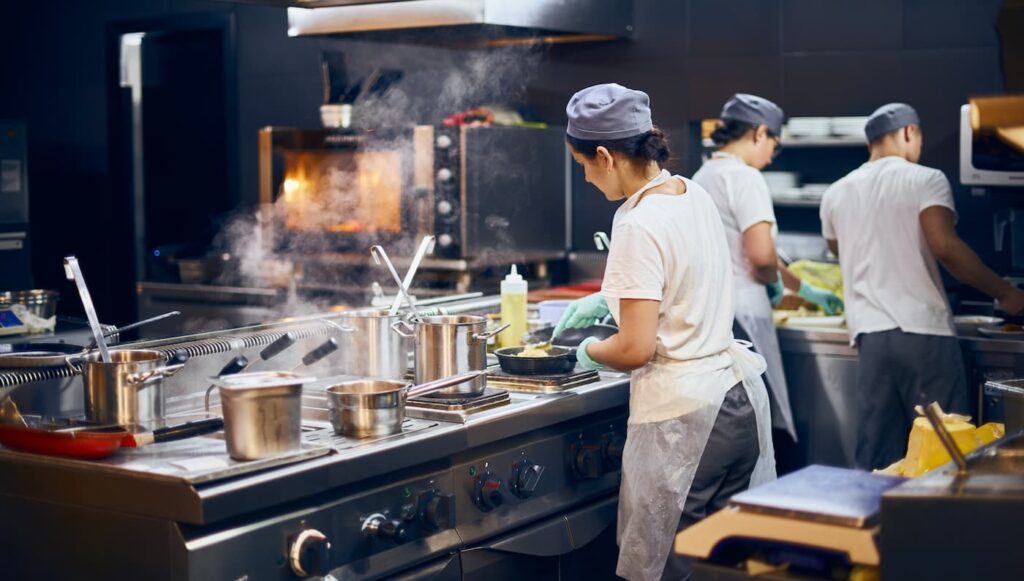
What once took 45–60 minutes of prep now takes 5–7 minutes. This dramatically improves service speed during peak hours.

Simplified Staffing
Semi-skilled kitchen staff can execute dishes accurately. Training becomes process-driven, not chef-driven.

Lower Operational Risk
Chef absence, attrition, or shift changes no longer disrupt kitchen output.
Impact on Daily Kitchen Operations
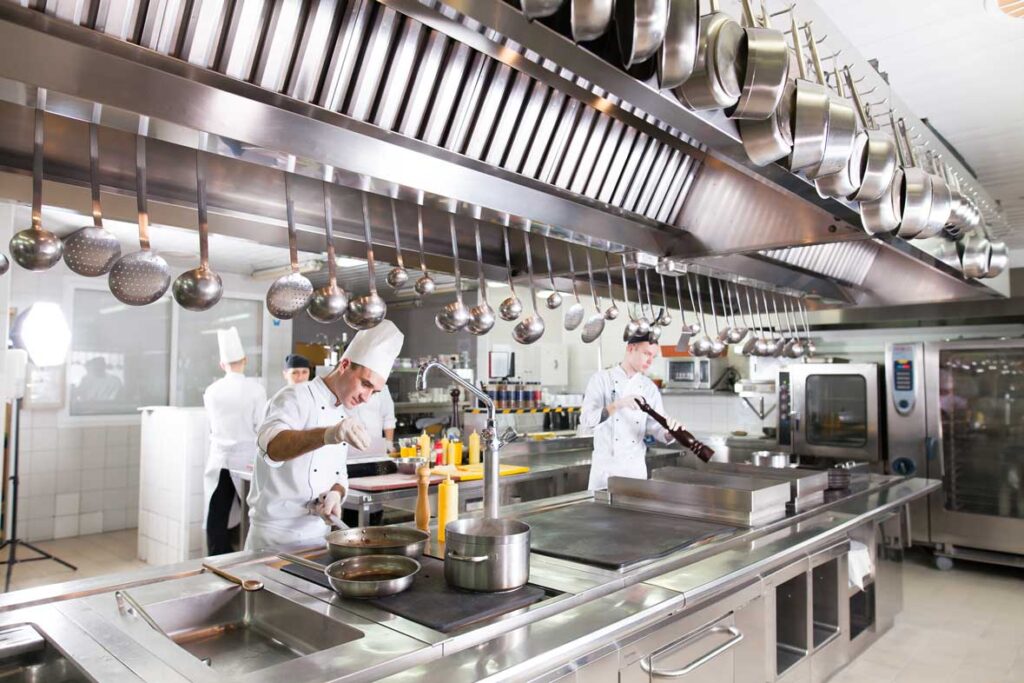
- Leaner kitchen teams
- Predictable output during rush hours
- Reduced prep areas and equipment
- Better inventory control
- Minimal food wastage due to long shelf life
Why This Model Works Especially Well for Growing Brands
- No need to hunt for senior chefs in every city
- Faster new outlet launches
- Uniform customer experience across locations
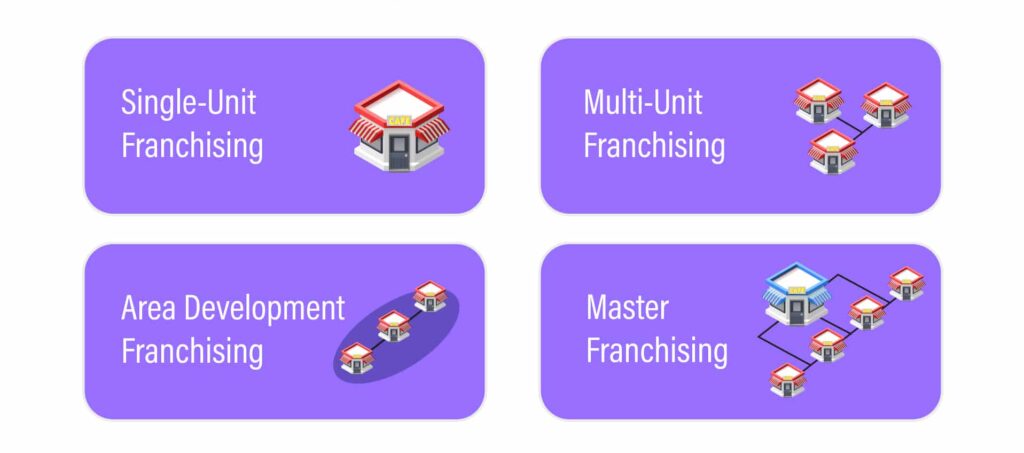
- Easier SOP creation and franchise readiness
This model is already widely used by global QSRs and institutional food operators. Indian food brands are now adopting it rapidly.
Where Retort Solutions Make the Biggest Difference
- Cloud kitchens running multiple brands
- QSRs focused on speed and volume
- Institutional kitchens and canteens
- Caterers managing bulk service
- Hotels standardizing back-end operations
- Export-focused food businesses
How No Chef Kitchen Supports This Shift
From recipe development and standardization to bulk production and supply, the focus is on delivering gravies and bases that perform consistently across outlets, geographies, and volumes.
Conclusion: From Chef-Dependent to System-Driven Kitchens
Reducing dependence on skilled chefs does not mean compromising on taste it means engineering reliability. Retort solutions allow restaurants to grow faster, operate leaner, and deliver the same experience every single time.
For modern food businesses, consistency is no longer a luxury.
It is the foundation of sustainable scale.